Travel Notes
One Base or Hotel Hopping? How I’d Plan a Switzerland Trip
For a Switzerland trip, I’d compare day trips with hotel changes by counting the whole transfer, the luggage plan, and the evenings I actually want.
A Switzerland trip is one of those ideas where I could talk myself into adding another stop very easily. A lake, a mountain view, a train ride, a pretty hotel—and suddenly the plan involves packing a suitcase every morning.
If I put this trip together, the first decision I’d make is whether to stay in one place and take day trips or move hotels along the way. This is a planning exercise, not a booked itinerary or a report from a trip I’ve taken. I want to compare the days I’d actually have, including the less exciting parts between checking out and settling into the next room.
My starting point: keep one base unless moving buys something I really want. That might be an evening in a different place, an easier start the next morning, or much less time retracing the same journey. Here’s how I’d work out whether the move earns its place.

Start with three things you actually want to do
Before choosing a hotel, write down three priorities. Be specific enough to test them: a lakeside afternoon, a particular walk, or a scenic train journey. “See Switzerland” doesn’t tell me where to sleep.
Then check the journeys from each possible base. I’d include the walk or local transport from the hotel to the station, the train itself, changes, and getting from the arrival station to the activity. A shorter station-to-station journey doesn’t automatically mean a shorter day.
I wouldn’t choose a hotel just because it looks central on a map. I’d choose it because it works for the things I actually want to do. If two priorities fit comfortably and the third creates a very long return journey, that third stop needs a decision: stay overnight nearby, save it for another trip, or accept the longer day on purpose.
What one base would give me
The appeal is being able to unpack and leave the big bag behind. A day out can start with breakfast instead of checking every outlet for a charger and working out what to do with the suitcase.
One base also gives me room to rearrange days. If an outdoor plan doesn’t suit the weather, I can look at another option without changing a hotel reservation. That flexibility still depends on the tickets, activities, and booking terms I choose; staying put doesn’t make every part of the trip refundable.
The trade-off is the return journey. I’d check the trip back before getting attached to the outbound plan. After dinner, do I still have a connection I’d be comfortable using? If that one falls through, is there another workable return? I’d rather know this before the day starts.
My student-traveler hotel checklist covers the room and location decision. Here, I’m asking a different question: how many times do I want to change that room?
When I’d change hotels
I’d move when staying somewhere else changes the experience enough to justify the transfer. Wanting a relaxed evening there is a better reason than wanting to add one more location to a list.
- An early start matters. Moving the afternoon before might make more sense than relying on a long morning journey. I’d still verify the actual transport and activity opening times.
- The next few plans are in the same area. A move can replace several repeated journeys, rather than adding a hotel change for one brief stop.
- The evening is part of the point. Dinner and a slow morning may be what I want from a place. A day trip wouldn’t give me the same thing.
I wouldn’t move for a small room-rate saving without checking the other costs. Extra transport, luggage storage, and getting to the new hotel can shrink that saving. Time counts too, even when it doesn’t appear on the receipt.
A fictional comparison: what does the move buy?
These numbers are made up to show the method. They are not Swiss fares, a real route, hotel quotes, or measured travel times.
- Option A: keep the same hotel
- Imagine two day trips, each taking 90 minutes each way from the hotel to the activity. That’s 180 minutes per day, or six hours of travel across two days.
- Option B: move closer for two nights
- Suppose packing, checkout, the transfer, dropping the bag, and settling in take three hours in total. From the new hotel, getting to and from each day’s activity takes 30 minutes each way. That’s two more hours across two days, for five hours altogether.
- What changes?
- Moving saves one hour in this example. If the closer room costs CHF 40 more per night, two nights add CHF 80 before any difference in transport or storage costs.
For one hour alone, I’d have to think about it. If the move also gives me the evening I wanted and a much easier morning, it could be worthwhile. If I only spend one activity day there, the same assumptions give three hours for the day trip versus four hours for moving and local travel. The extra hotel would take more time.
That’s why I’d compare the whole stay, not one impressive-looking train duration. Neither option includes an onward airport transfer here. I’d add that separately to both before making a real booking.
Give the suitcase its own plan
The awkward part of moving hotels is often the gap between checkout and check-in. I’d ask the new hotel whether it can hold my bag before check-in, what hours apply, and whether there is a charge. I wouldn’t treat early room access as confirmed unless the hotel actually confirms it.
A station locker might help, but I’d check the exact station. SBB’s locker guidance says opening times vary by station and prices depend on locker size and location. That means “there are lockers” is only the start of the check.
- Will my bag fit the published dimensions?
- Can I collect it when I need to, including after dinner?
- How does payment and access work at that location?
- What will I do if no suitable locker is available?
I would keep medication, travel documents, valuables, and anything I need during the day with me. The main bag should make the day easier to enjoy, not become the thing that determines every stop.
Check the actual date before booking
I would run the outward and return journeys for the intended date, then check any activity or mountain transport directly with its operator. A rail connection to a town doesn’t establish that a separate attraction, trail, boat, or cable car will be available.
SBB’s timetable guidance explains that timetable information is updated, including for construction changes, and that provisional connections should be checked again before travel. It also describes connection notifications in SBB Mobile for changes such as delays and cancellations. I’d use that guidance rather than treating a saved screenshot as a permanent schedule.
Once the travel days make sense, I’d compare actual tickets or passes for those journeys. This checklist doesn’t establish which pass is cheapest, what an attraction ticket includes, or whether a seat reservation is required. Those checks belong to the exact services I choose.
Before paying, I’d also use my cancellation and refund checklist for the hotel and transport terms. An appealing itinerary can still be a poor fit if I can’t afford the consequences of changing it.
The note I’d make before choosing
- My three priorities: ___
- One-base option: hotel-to-activity time both ways, return alternatives, total room and transport cost.
- Moving option: packing and transfer time, luggage plan, check-in terms, total room and transport cost.
- What the move gives me: ___
- What I’d remove if the plan feels rushed: ___
For a shorter Switzerland trip, I’d test one base first. If the journeys leave enough time to enjoy the places, that may be all I need. If they keep cutting into the mornings or evenings I care about, I’d consider a second base. I want the hotel choices to support the trip, not turn it into a string of checkout times.
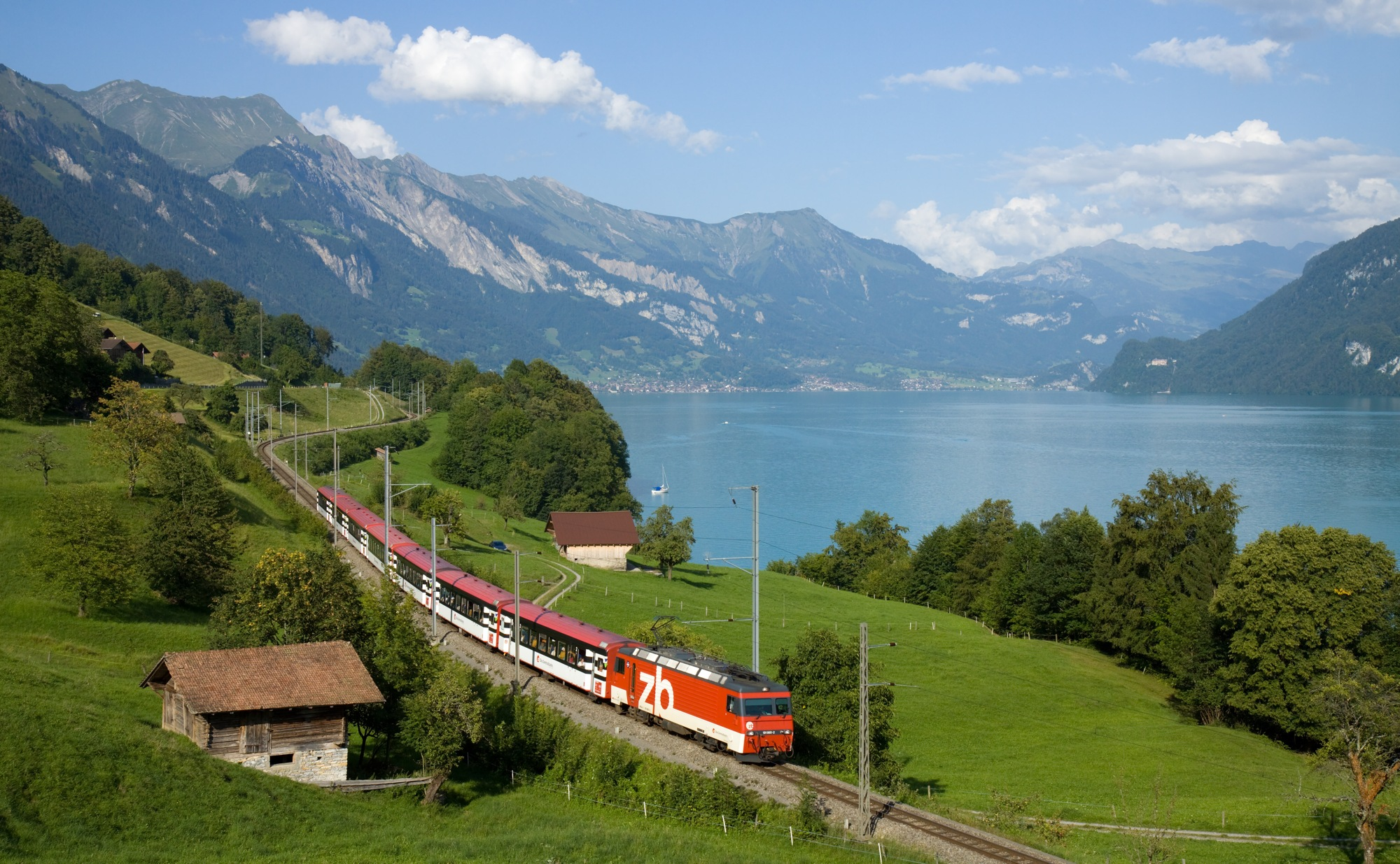
Official guidance checked November 27, 2026. Recheck your dates, connections, storage details, and booking terms before purchase and travel. Photograph: a Zentralbahn train beside Lake Brienz near Niederried, photographed August 15, 2009—not a current train-service illustration or a photo from my own trip. David Gubler / Kabelleger, CC BY-SA 3.0. Resized and JPEG optimized; the photograph remains under the same license.

Travel Notes
Keep exploring
Keep exploring
Helpful Iris resources for this topic
Share This Article
Found this helpful?
Share it with another student, clinician, traveler, or future DPT who might need it.
Have you planned something like this? Tell me what helped you make it work.