Travel PTA Life
First Night in Travel Therapy Housing: A Setup Checklist
A practical first-night housing checklist for travel PTs, PTAs, and healthcare travelers settling into temporary assignment housing without letting small setup problems snowball.
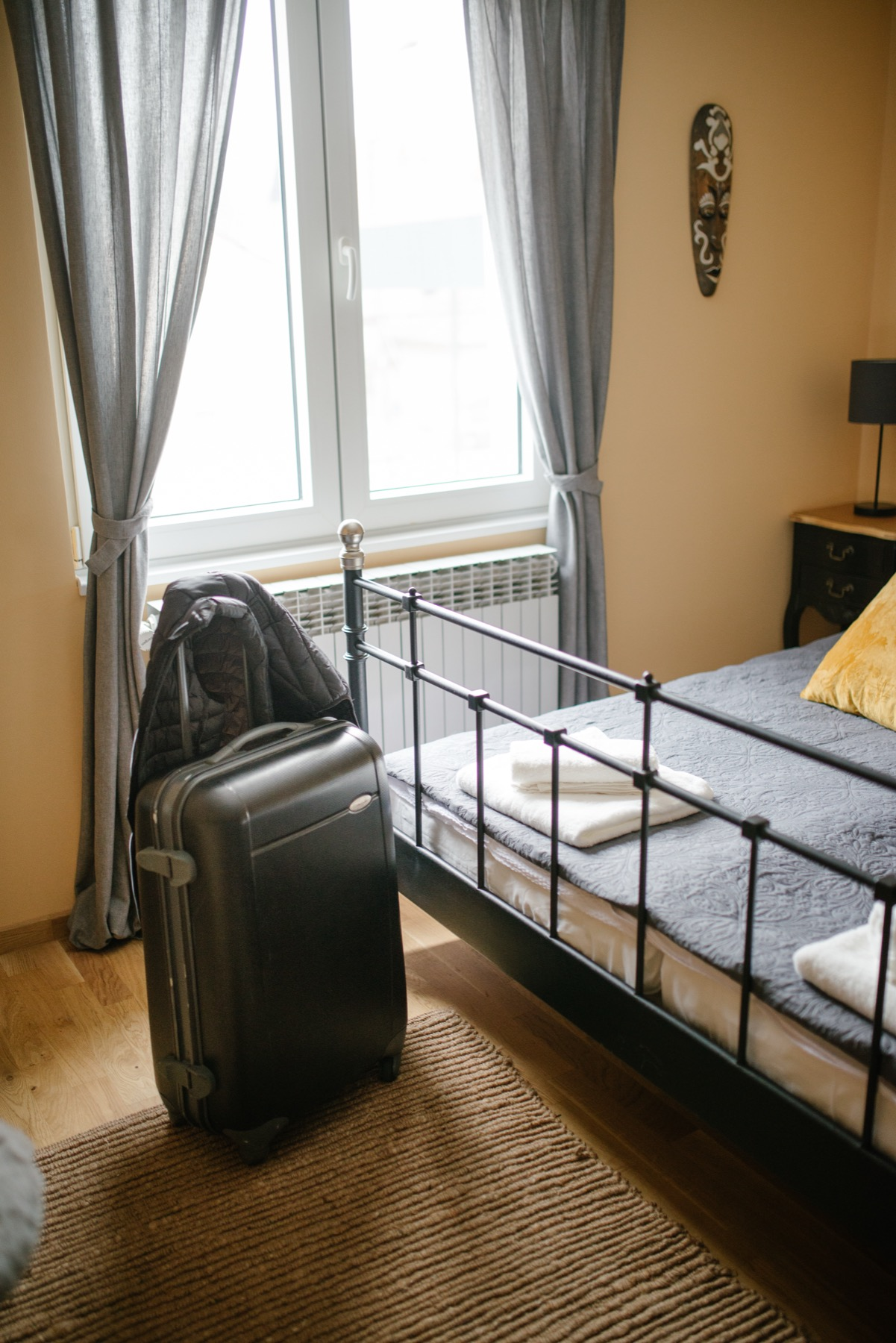
Photo: Shixart1985 via Wikimedia Commons, CC BY 2.0. Image resized for web publication.

The first night in travel therapy housing is not the glamorous part of the assignment. It is the part where you are tired, the suitcase is half-open, the Wi-Fi password is missing, and tomorrow morning still has to happen on time.
That is exactly why I like having a first-night checklist. Not a perfect-home checklist. Not a full unpacking plan. Just a calm, practical reset that helps you decide whether the space is workable, what needs to be documented, and what can wait until your first real day off.
This guide is for PTs, PTAs, and healthcare travelers settling into short-term housing before or during an assignment. It does not replace your lease, agency policy, facility requirements, local safety rules, tax advice, or legal advice. It is a way to make the first night less chaotic and catch the small things that become bigger when you ignore them.

Start With the Space, Not the Suitcase
Before you fully unpack, walk the space once while your bags are still near the door. Confirm that the unit matches the address, access instructions, and written housing arrangement you accepted. Check the locks, windows, lighting, heat or air conditioning, hot water, bathroom, kitchen basics, bed, outlets, and parking situation.
If something is damaged, missing, dirty, unsafe, or different from the listing, document it the same night. Take clear photos or video, save the timestamped messages, and contact the landlord, host, housing coordinator, or agency contact through the official channel. This is not about being dramatic. It is about creating a factual record before there is any confusion about whether the issue was pre-existing.
The Federal Trade Commission warns that rental scams often copy real listing photos or descriptions, change the contact details, and pressure people for money through risky payment methods. Even after arrival, keep communication and payments inside the documented agreement. If someone suddenly asks for a wire transfer, gift card, cryptocurrency, or a different payment route, pause and verify before sending anything.
Do the Safety Check While You Still Have Energy
Temporary housing can feel temporary in your mind, but you still sleep there. A quick safety pass belongs on the first night, especially if you arrived late or you are starting orientation soon.
- Find the exits and decide how you would leave if the hallway, stairs, elevator, or main door were unavailable.
- Check that smoke alarms are present near sleeping areas and on the level where you are staying.
- Notice whether carbon monoxide alarms are present when the space has fuel-burning appliances, an attached garage, or local requirements that apply.
- Save the property address in your phone exactly as emergency services would need it.
- Find the closest urgent care, pharmacy, grocery option, gas station or transit route, and nonemergency property contact.
- Put your keys, badge, wallet, charger, and work shoes in one visible place before bed.
The U.S. Fire Administration recommends smoke alarms inside and outside sleeping areas and on every level of a home, and Ready.gov recommends having enough basic supplies to manage several days on your own after a disaster. You do not need to build a bunker on night one. You do need water, medication, a charger, basic food, a flashlight or phone light plan, and a way to leave the building if something goes wrong.
Set Up for Tomorrow Morning First
The first workday is not the time to discover that your badge is under a pile of clothes or your commute has a surprise toll. Before you unpack everything, make the morning boring.
| First-night task | Why it matters | Good enough for tonight |
|---|---|---|
| Confirm commute | Travel-time estimates can change by shift time, parking, hospital campus layout, or weather. | Save the route, parking address, arrival buffer, and backup route. |
| Stage work items | Orientation mornings already carry enough friction. | Put badge, documents, shoes, scrubs, charger, water, and keys together. |
| Check Wi-Fi and cell signal | You may need maps, payroll, onboarding portals, or a quick call home. | Connect devices and save the password somewhere private. |
| Choose one food plan | Decision fatigue gets louder when you are hungry. | Identify breakfast, coffee, lunch backup, and one easy dinner option. |
| Make a message list | Small housing issues are easier to solve when reported clearly. | Write one concise note with photos, questions, and requested fixes. |
This is also where the travel therapy part becomes different from a normal weekend trip. You are not only trying to sleep somewhere. You are trying to start a clinical work stretch from a place that supports basic function: laundry, meals, sleep, documentation, commute, and enough quiet to recover.
Unpack in Zones
Full unpacking can wait. Zone unpacking gets the essentials out without turning the room into a project.
- Sleep zone: pajamas, toiletries, medication, charger, eye mask or earplugs if you use them, and clothes for the next day.
- Work zone: badge, laptop or tablet if needed, paperwork, notebook, pens, facility directions, and anything required for onboarding.
- Food zone: water, simple breakfast, snacks, coffee or tea setup, and one meal that does not require motivation.
- Laundry zone: hamper bag, detergent, quarters or app information if needed, and a spot for scrubs or work clothes.
- Reset zone: one small thing that makes the space feel less anonymous, such as a book, candle alternative, framed photo, blanket, or playlist.
The goal is not to recreate home in one night. The goal is to reduce tomorrow’s friction. If the bed is usable, the bathroom works, your route is saved, and the important items are staged, you have done enough.
Separate Fix-Tonight From Fix-Later
Everything feels urgent when you arrive tired. It helps to sort problems into three buckets.
| Bucket | Examples | What to do |
|---|---|---|
| Fix tonight | No safe lock, no heat in unsafe weather, no working bathroom, missing access, active leak, smoke alarm issue, unsafe electrical concern. | Contact the property or agency immediately and preserve written evidence. |
| Document tonight | Broken furniture, stains, missing kitchen items, weak Wi-Fi, parking confusion, unclear trash or laundry instructions. | Photograph, list, and send one clear message before unpacking fully. |
| Plan later | Decor, storage, grocery rhythm, gym route, favorite coffee shop, weekend exploration. | Put it on a first-week list and go to sleep. |
If you are weighing whether the housing arrangement works financially, keep that analysis separate from the first-night spiral. Housing costs, stipends, duplicated expenses, tax-home questions, reimbursements, and lease flexibility deserve a clear review when you are rested. For tax questions, use IRS travel-expense guidance and a qualified tax professional rather than assuming an assignment or stipend is automatically treated a certain way.
Protect Recovery Without Pretending Self-Care Fixes Bad Systems
Travel therapy asks you to start over repeatedly: new building, new team, new commute, new grocery store, new documentation habits, and sometimes a new state practice environment. That can be exciting, but it can also create decision fatigue fast.
HHS guidance on health worker burnout points to workplace systems and conditions such as excessive workloads, administrative burden, limited say in scheduling, and lack of organizational support. So yes, use personal routines. Also be honest about operational problems. If the housing location makes the commute unrealistic, the schedule is not what you were told, or orientation details are missing, document the issue and use the appropriate facility or agency contact.
A first-night reset can support you, but it should not become a way to quietly absorb unsafe or mismatched conditions.
My First-Night Travel Therapy Housing Checklist
- Confirm the address, access instructions, parking, and written housing contact.
- Photograph the space before unpacking if anything is damaged, missing, or different from the agreement.
- Check locks, windows, lights, bathroom, temperature control, outlets, Wi-Fi, and cell signal.
- Find exits, smoke alarms, and the exact address you would give in an emergency.
- Save the route to the facility, parking location, and backup commute plan.
- Stage badge, documents, scrubs, shoes, charger, water, keys, and wallet.
- Choose breakfast, lunch backup, and one easy dinner option.
- Unpack only the sleep, work, food, laundry, and reset basics.
- Send one concise message for urgent or documented housing issues.
- Write the rest on a first-week list and let the first night be enough.
What to Read Next
If you are still deciding whether an assignment fits, start with Travel Therapy Assignment Challenges and Travel PTA Contract Red Flags. If housing money is the confusing part, read Housing Stipends Explained for Travel PTAs and Tax Home Basics for Travel Therapists. For the bigger starting point, use the Travel Therapy Resources hub.
This article provides general educational information for healthcare travelers. It is not legal, tax, housing, employment, clinical, or emergency advice. Verify requirements with your lease or housing agreement, agency or employer, local authorities, and qualified professionals for your situation.
Free guide
Want the Travel PTA checklist?
Get the Free 2026 Guide with contract questions, pay package notes, housing stipend basics, and a gentle checklist for comparing opportunities before you sign.
Download the Free GuideTravel PTA Life
Keep exploring
Keep exploring
Helpful Iris resources for this topic
Free Travel PTA Guide
Get the Free 2026 Guide
Use the guide to compare contracts, ask better recruiter questions, understand pay packages, and review the National Staffing referral note with more context.Get the free starter guideTravel Therapy Insider
Want monthly travel therapy tips?
Get practical contract tips, recruiter questions, licensing updates, job market insight, and career resources for PTs, PTAs, DPT students, and travel therapists.
Share This Article
Found this helpful?
Share it with another student, clinician, traveler, or future DPT who might need it.