Travel Notes
Busan for First-Time Visitors
A first-time Busan guide covering when to add Busan, how long to stay, transportation from Seoul, winter pacing, food, and coastal travel energy.
Personal Travel Guide
A first-time Busan guide covering when to add Busan, how long to stay, transportation from Seoul, winter pacing, food, and coastal travel energy.


Personal note
Busan is easier to plan when you treat it as a large coastal city rather than a quick Seoul add-on. This guide focuses on pacing and area choices without pretending that one trip length works for everyone.
Transit schedules, attraction hours, and seasonal conditions change. Confirm current details with KORAIL and Visit Busan before travel.
Travel
Why add Busan
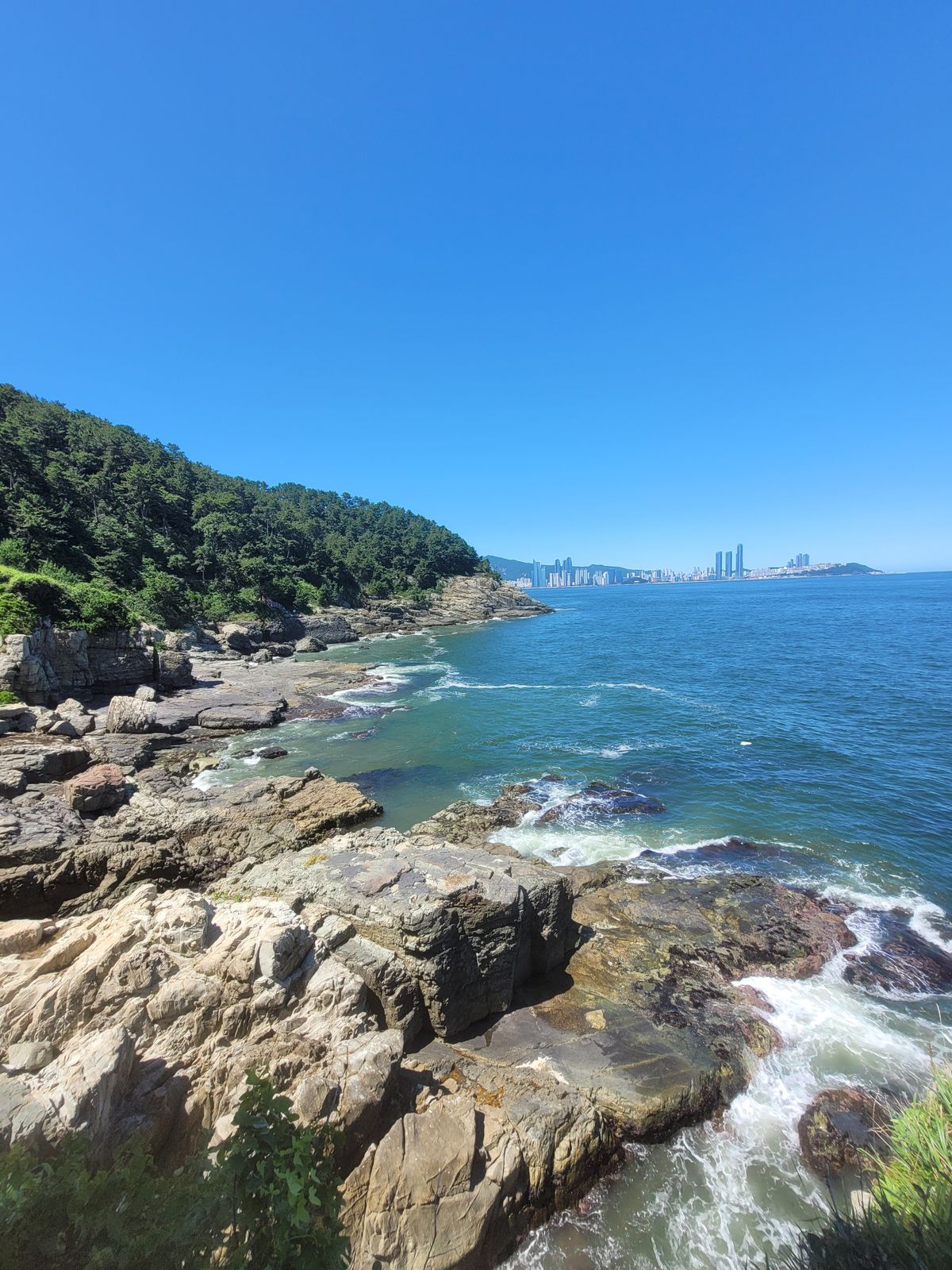
Busan adds a different rhythm to a South Korea itinerary: beaches and coastal views, port-city neighborhoods, markets, and a city layout that rewards slower area-by-area planning. It can balance a Seoul-heavy trip when you have enough time to do more than arrive, take one photo, and leave.
The main tradeoff is distance inside the city. Haeundae and Gwangalli are on the eastern side, while Nampo, Jagalchi, and the routes used for Gamcheon Culture Village sit farther west. Choose the experiences that matter most, then group each day geographically.
- Add Busan when coastal scenery and a second-city perspective are real priorities.
- Skip or shorten it when the transfer would leave only a rushed partial day.
- Choose accommodation based on the areas you plan to visit, not just the lowest room price.
Travel
How long to stay
Two full days can work for a focused first visit: one day around an eastern coastal area such as Haeundae or Gwangalli, and one day around Nampo, Jagalchi, or Gamcheon. This version requires early starts and a willingness to leave some places for another trip.
Three full days is a more comfortable first-visit pace because it creates room for one coastal day, one market and neighborhood day, and one flexible day for another area, weather changes, or a slower morning. Four or more days suits travelers who want extra beach time, cafes, museums, hikes, or fewer cross-city transfers.
- Count arrival and departure time separately from full sightseeing days.
- Add time if you prefer long meals, photography stops, or a midday break.
- Subtract destinations rather than compressing every saved place into one route.
Travel
Getting there from Seoul
KTX service is the most direct rail-planning starting point between Seoul Station and Busan Station. Schedules, fares, and seat availability vary by date, so check KORAIL directly and allow extra time during weekends, holidays, and peak travel periods.
Busan Station is only the beginning of the local journey. Your hotel or first destination may still require a subway, bus, or taxi transfer, especially if you are staying near Haeundae or Gwangalli. Save the Korean address for your accommodation and avoid placing a fixed reservation too close to your planned arrival.
- Book the train before building a tightly timed first or last day.
- Keep your ticket, platform information, and accommodation address available offline.
- Check the final local-transit connection, not only the Seoul-to-Busan segment.
Travel
Winter pacing and comfort
Winter can make a coastal itinerary feel different from the temperature shown in an app. Wind, shade, and time near the water can affect how long outdoor stops feel comfortable, while shorter daylight hours can change the best order for viewpoints and neighborhoods.
Plan one outdoor anchor at a time and pair it with a market, museum, cafe, or meal indoors. Layers, a wind-resistant outer layer, and shoes that stay comfortable on hills and stairs can make a longer day easier. Recheck weather and operating hours the night before.
- Use daylight for the coastal stop that matters most.
- Keep an indoor alternative for rain, strong wind, or poor visibility.
- Allow extra transfer time instead of trying to warm up while rushing.
Travel
How Busan changes the trip
Adding Busan turns a Seoul-centered itinerary into a multi-city trip. That creates more variety, but it also adds packing, hotel changes, train timing, and local transit decisions. The best version is not the one with the most stops; it is the one that gives each city enough time to feel distinct.
A focused two-day Busan plan can pair an eastern beach area with a western market and neighborhood day. A three-day plan can slow that split down. A four-day plan can add another coastal or cultural area without forcing every meal and viewpoint into a fixed timetable.
Use the city for what it adds: coast, markets, neighborhoods, and a different pace. If those priorities do not fit the current trip, saving Busan for a longer return visit is better than treating it as a rushed checklist.
Plan next
Keep planning with the Korea Travel Guide.
Travel Notes
Keep exploring
Keep exploring
Helpful Iris resources for this topic
DPT Student Resources
Find scholarships, PTA-to-DPT support, study resources, clinical prep, productivity tools, and wellness routines for DPT school.
Open resource KoreaKorea Travel Guide
Explore Korea itineraries, Seoul and Busan planning, cafes, beauty, winter travel, and student-friendly trip notes.
Open resourceFree Scholarship Tool
Get the PTA to DPT Scholarship Tracker
Track deadlines, award amounts, essays, recommendations, submission dates, notes, and renewals without letting scholarship season become scattered.Get the free trackerShare This Article
Found this helpful?
Share it with another student, clinician, traveler, or future DPT who might need it.