DPT Student Life
Performing Arts Physical Therapy: Training, Experience and Career Paths
Explore performing arts physical therapy: artist care, entry routes, training, fellowships, realistic timelines and official job resources.
A physical therapist backstage at a show? Yes—and the work reaches well beyond dancers. Musicians, actors and circus artists also have physical demands that deserve to be understood in the context of their craft.
What interests me about this career path is how specific the goal becomes. Returning to everyday movement matters, but a performer may also need to tolerate rehearsals, handle an instrument or repeat a demanding sequence across several shows. Understanding the art becomes part of understanding the job.
This is a U.S.-focused career guide for students and clinicians exploring the field. Program requirements and job examples were checked against official sources on November 4, 2026. It is educational career information, not an individual treatment plan; openings and admissions details can change.

What does a performing arts PT do?
Performing arts PT combines rehabilitation with an understanding of performance demands. Assessment and care may address pain, movement limitations, strength, conditioning and the transition back to artistic activity. The details depend on the patient, setting and clinician’s competence.
NYU Langone’s Harkness Center for Dance Injuries illustrates the team approach: physical therapy sits alongside medical care and injury-prevention services for dancers. A therapist does not have to own every part of an artist’s care to make a meaningful contribution.
Show-company work can extend further. Cirque du Soleil’s official therapist descriptions include rehabilitation, risk reduction, coordination with coaches, return-to-performance planning and emergency-response responsibilities. That is a very different working environment from an outpatient appointment. The role includes documentation and communication, too—not just the visible moments backstage.
Some useful distinctions when exploring the field:
| Performer or setting | What to learn about the work |
|---|---|
| Dancers | The vocabulary, choreography, rehearsal demands and performance goals that shape the person’s movement needs. |
| Instrumental musicians | Instrument setup, playing position, practice patterns and the demands of rehearsals and concerts. |
| Actors, singers and musical-theater performers | The combination of movement, staging and repeated performances; voice concerns may require collaboration with other specialists. |
| Circus and acrobatic artists | Highly specific physical tasks, coordination with coaching staff and the emergency procedures of the venue. |
These are orientation questions, not treatment prescriptions. Someone who understands ballet exceptionally well may still need additional learning and mentorship before working with a violinist or aerial artist.
Where can you work?
The field is broader than touring with a famous production. University programs such as Johns Hopkins’ performing arts fellowship connect clinical education with conservatory and performance environments. Outpatient practices can serve artists alongside other patients.
Think of these as different work arrangements to investigate:
| Work arrangement | What to clarify before accepting |
|---|---|
| Outpatient clinic | How many patients are performers, who provides mentorship, and whether the role also carries a general orthopedic caseload. |
| Hospital, university or conservatory program | Whether the position is clinical employment, a training program or a student placement—and which services the PT actually provides. |
| Resident show or backstage coverage | The show schedule, on-call expectations, emergency responsibilities and how care is coordinated with production staff. |
| Touring contract | Travel expectations, time away, coverage between locations, professional registration, work authorization and what happens when the production pauses. |
A touring position is not interchangeable with travel PT or a resident-show job. Read the exact contract and location requirements. The Cirque examples linked below are resident-show roles, not verified touring vacancies.
How do you get into performing arts PT?
If you are not yet a PT: start with the professional qualification. For new U.S. entrants, APTA’s education guide describes a CAPTE-accredited DPT program and licensure. Professional DPT programs typically take about three years, usually after undergraduate preparation. Internationally educated clinicians should follow the applicable credentialing and licensing pathway.
If you are a DPT student: bring this interest to your director of clinical education early. Ask about supervised placements involving dancers, musicians or a performing arts clinic. An arts-related placement may include substantial general orthopedic work; ask about the actual caseload rather than relying on the placement’s name.
For a concrete example, Athletico’s 2027 performing arts clinical-experience application described final clinical placements and requested orthopedic preparation, familiarity with dance terminology, faculty support and school involvement. Its March 27, 2026 application deadline has passed. Use it to understand preparation and ask your school about future cycles, not as an open application today.
If you are already licensed: look for a setting where you can develop relevant musculoskeletal skills while receiving feedback from an experienced clinician. Build exposure to the population you want to serve. Ask to observe how a mentor takes a performance history, communicates with an artist and coordinates care, with appropriate consent and privacy safeguards.
A personal arts background can help you understand the culture, but requirements vary. Do not assume you must have been a professional performer—or that having performed automatically prepares you to provide specialist care. Compare your experience with the actual employer or program criteria.
What training and experience matter?
Useful learning areas include functional anatomy, load and rehearsal demands, artist-specific movement analysis, rehabilitation planning and communication with the wider care team. The balance will differ for a dance clinic, a musician-health service and an acrobatic production.
The APTA Orthopedics Performing Arts Community is a professional starting point for educational resources, clinical affiliations and connections. It is a community resource, not a promise of placement or employment.
The Performing Arts Medicine Association offers Essentials of Performing Arts Medicine, a self-paced online program. Its second edition lists 57 modules across 12 streams covering multiple art forms and health topics. Choose content relevant to your intended population. A course-completion certificate documents education; it does not replace professional licensure, supervised clinical development or an employer’s hiring requirements. Check PT continuing-education acceptance in your jurisdiction before relying on advertised credits.
Backstage emergency preparation deserves separate attention. Some employers require specific first-aid or trauma qualifications, and some programs require emergency-response preparation before on-site training. Confirm the accepted credential with the actual organization before paying for a course. A routine clinic role and a show’s emergency-response role may have different expectations.
Do you need a fellowship or specialist certification?
There is no single training checklist shared by every performing arts PT job. APTA notes that board certification is not required simply to practice in a particular area; licensure, scope, competence and the position’s requirements still matter.
A fellowship is an advanced route. ABPTRFE explains the distinction between residencies and fellowships: fellowship preparation builds on expertise, with a related accredited residency or relevant specialist certification forming the entry pathway. Read the individual program’s additional criteria.
These official examples show why the details matter:
| Program | Published length and entry considerations |
|---|---|
| USC Performing Arts Physical Therapy Fellowship | 14 months. Requires a valid California PT license and either ABPTS orthopedic/sports certification or completion of an ABPTRFE-accredited orthopedic/sports residency. Training includes clinic and backstage experience. Check the current admissions page for application timing. |
| Johns Hopkins Performing Arts PT Fellowship | 18 months. The program states it is ABPTRFE accredited. Applicants need two of three: a performing arts background, an accredited PT residency, or clinical specialist certification. Maryland licensure or eligibility and the program’s work-authorization requirements also apply. |
| University of Colorado Anschutz Performing Arts Fellowship | 14-month didactic sequence; up to three years for the full program. Requires a DPT and orthopedic/sports residency preparation and/or active orthopedic/sports specialist certification, plus applicable licensure. The page says it is not yet ABPTRFE accredited. BLS/CPR and emergency-response requirements apply at specified training stages. |
Verify accreditation through the current accreditor and program before committing. A fellowship, specialist certification and a course certificate are different accomplishments. None should be presented as a substitute for permission to practice in the location where you will work.
How long does this career path take?
The honest answer depends on where you are starting and which job you want. There is no defensible universal “become a performing arts PT in six weeks” timeline.
| Starting point or goal | A realistic way to think about time |
|---|---|
| Not yet a licensed PT | Undergraduate preparation, the DPT—typically about three years—and licensing come first. Program formats vary. |
| Licensed PT exploring artist care | You can begin learning and seeking appropriate supervised experience now. Readiness depends on competence, mentorship and the role; there is no fixed national countdown. |
| Advanced fellowship | The examples above range from 14 to 18 months for the stated USC/Hopkins programs. Colorado distinguishes its 14-month coursework from a longer completion window. Prerequisite preparation adds time. |
| Experienced show-company role | The two Cirque listings below each specify at least five years of relevant musculoskeletal clinical experience. That is an employer requirement for those roles, not a universal rule for the whole field. |
Treat these as separate stages, not an automatic ladder. A course may help you identify a knowledge gap. Mentored experience helps you apply learning. Admission, certification and employment each have their own requirements and selection processes.
Where can you find performing arts PT jobs?
Start with official employer pages and search several terms: performing arts physical therapist, dance physical therapist, performance medicine therapist, musician health, artist health and physical therapist plus a specific company or conservatory. Niche work may sit inside a general PT job description.
Cirque du Soleil’s official careers board is a concrete source. At the November 4 source check, these listings were accessible:
- Therapist — Resident Shows, Las Vegas: a full-time on-site role accepting relevant PT or athletic-training qualifications, with Nevada professional registration requirements and a recognized first-aid/trauma credential. Professional artist or athlete experience is described as an asset.
- Athletic Trainer/Physical Therapist — Drawn to Life, Orlando: an occasional/on-call on-site role with Florida credentialing and CPR/AED requirements; emergency-response credentials are preferred. Its multi-profession degree wording does not waive the requirements to practice as a PT.
Both specify the five-year experience threshold noted above. Recheck availability and every qualification before applying. An accessible listing is evidence of a posted opportunity, not confirmation that a position remains unfilled or that an applicant will qualify.
Also use APTA’s job board, hospital and rehabilitation-system career sites, university employment portals and clinics that identify an arts caseload. Harkness and the university programs linked in this article are examples of services or training settings; their informational pages are not evidence of a current job vacancy. Professional communities can help you learn where the work happens without turning every connection into a job lead.
Questions to ask before you commit
An exciting setting still needs to be a workable job. These are suggested interview questions, not a standardized hiring checklist:
- Who mentors me, and what happens when a case exceeds my experience?
- What proportion of the caseload involves performers?
- Who handles emergency response, medical escalation and return-to-performance decisions?
- What are the rehearsal, evening, weekend, travel and on-call expectations?
- Which licenses, insurance arrangements and emergency credentials must be in place before I start?
- How are clinical confidentiality and communication with artistic staff handled?
- Is this employment, a fellowship, a student placement or independent contract work—and what costs or benefits come with it?
Your first practical step
Choose one population and one setting. Then compare an official role or program with your current preparation. Make a short note of what is required, what is preferred, where you need mentorship and one question to bring to your school, mentor or prospective employer.
The goal is to make your next step specific enough to act on. “I want to work backstage” becomes more useful when it includes the kind of performer, the actual responsibilities and the experience you still need.
Explore the rest of this career series: unexpected physical therapy careers, cruise ship PT, workers’ comp PT and wound care PT.
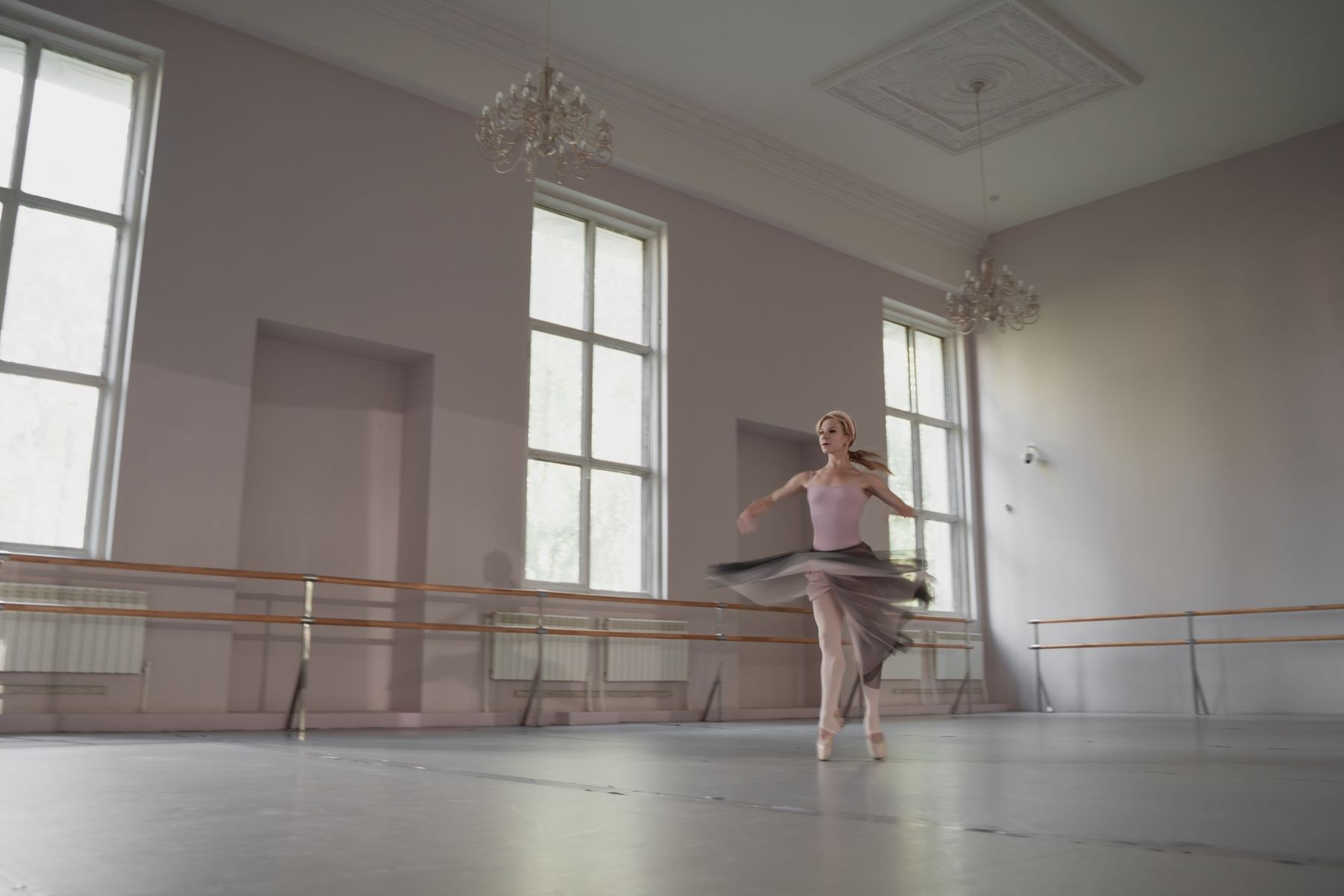
Photography: Anastasia Shuraeva / Pexels. Illustrative stock photography; not personal trip or clinical documentation.
DPT Student Life
Keep exploring
Keep exploring
Helpful Iris resources for this topic
Scholarship Resources
Search PTA, PTA-to-DPT, DPT, healthcare, first-generation, minority, women, and graduate scholarship opportunities.
Open resource DPTDPT Student Resources
Find scholarships, PTA-to-DPT support, study resources, clinical prep, productivity tools, and wellness routines for DPT school.
Open resourceFree Travel PTA Guide
Get the Free 2026 Guide
Use the guide to compare contracts, ask better recruiter questions, understand pay packages, and review the National Staffing referral note with more context.Get the free starter guideShare This Article
Found this helpful?
Share it with another student, clinician, traveler, or future DPT who might need it.
What part of this has been hardest for you to figure out?