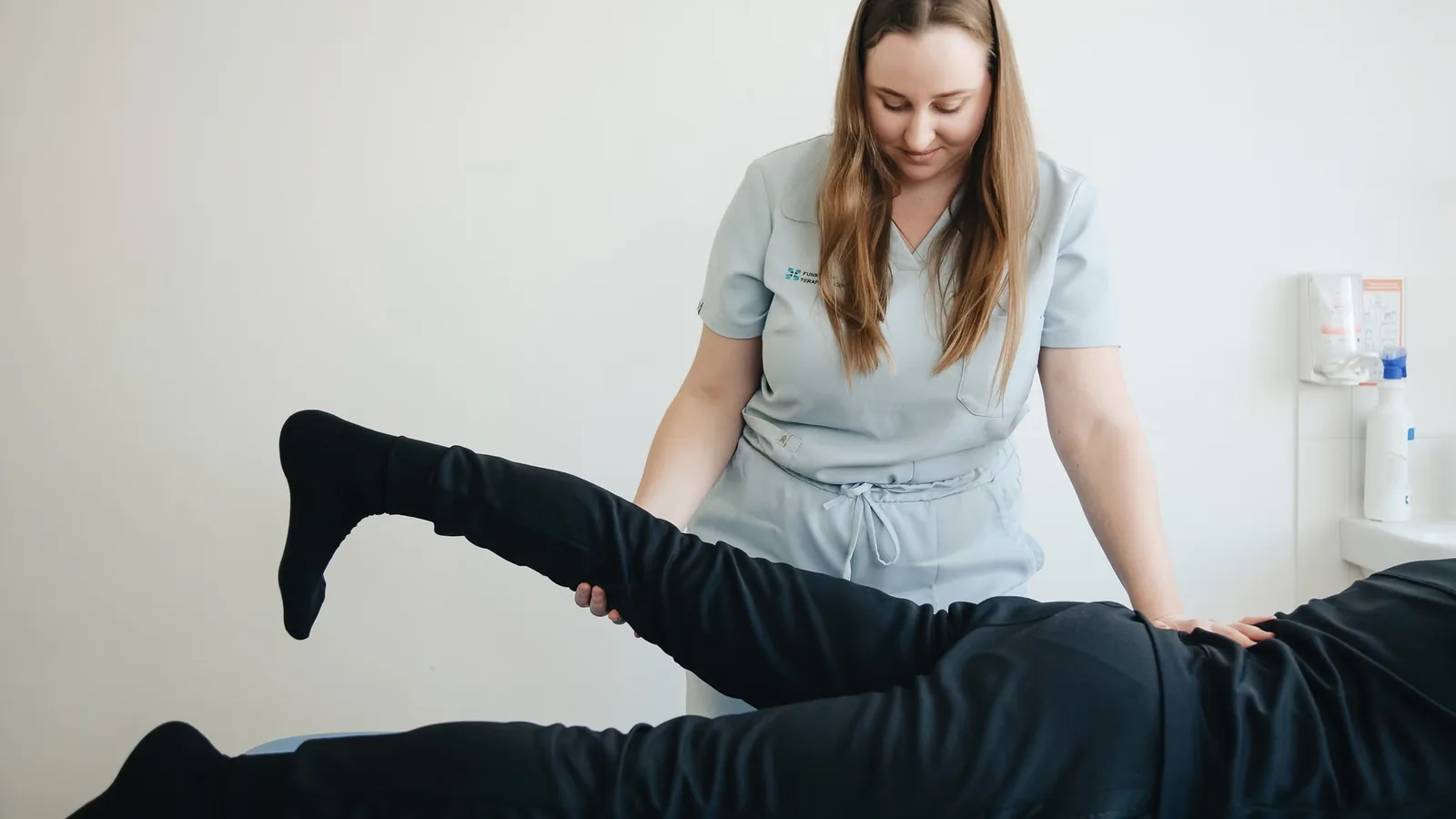
DPT Student Life
DPT Clinicals: How to Prepare for Your First Rotation Without Panicking
Nervous about your first DPT clinical? Here is how to prepare, what to bring, what to ask, and how to protect your energy before day one.
If your first DPT clinical is coming up and your brain is already spiraling, I get it.
Clinicals can feel like the point where everything suddenly becomes real. It is one thing to study evals, interventions, documentation, precautions, and patient communication in class. It is another thing to walk into a clinic knowing you will be expected to think on your feet, interact with real patients, and represent your program well.
The good news is that you do not need to know everything before day one. What you do need is a calm, practical plan.
This is the guide I wish more students had before their first rotation: what to do in the weeks before clinical starts, what questions to ask, what to bring, how to review without overwhelming yourself, and how to protect your energy so you can actually learn.
Why Your First Clinical Feels So Intimidating
Your first DPT clinical is not just about patient care. It also touches your identity. You are stepping out of student mode in a very visible way. You are trying to prove to yourself that you belong in the room. You are trying to apply what you have learned without freezing. You are trying to make a good impression on your clinical instructor, your patients, and sometimes an entire staff who already know each other.
That pressure is real. If you are a PTA transitioning toward a DPT path, there can be another layer too. You may already have clinical experience, but you are still entering a new role with new expectations. That can be grounding and humbling at the same time.
The goal is not to remove every nerve. The goal is to turn the nerves into preparation instead of panic.

What to Do 2 to 4 Weeks Before Your Rotation
The best clinical prep is not dramatic. It is organized.
Confirm the logistics early
Before you start reviewing anything academic, make sure the basics are clear: your start date, arrival time, dress code, parking, lunch setup, onboarding steps, and whether you need to bring your own gait belt, stethoscope, or clipboard. Even small uncertainties can create unnecessary stress. Clearing them up early gives your brain fewer loose ends to obsess over.
Learn the setting you are walking into
If you know your rotation is outpatient ortho, acute care, neuro, pediatrics, home health, or inpatient rehab, start there. Do not try to review everything equally. Review the patterns you are most likely to see in that specific environment.
- Outpatient ortho: common post-ops, low back pain, shoulder pain, knee pain, exercise progressions, subjective interviewing
- Acute care: lines and tubes, transfers, vitals, mobility progression, discharge planning, precautions
- Neuro or inpatient rehab: gait training, balance, transfers, cueing, safety, and functional progression
Specific prep is more useful than vague studying.
Build a small clinical notebook
I am a big fan of a quick-reference notebook or note on your phone with only the highest-yield reminders: common precautions, red flags, outcome measures you might actually use, documentation phrases, and questions you want to ask your CI. Think quick reference, not personal textbook.
Get your life a little calmer before clinical starts
This matters more than students think. The week before clinical is not the time to be behind on laundry, scrambling for meals, or fixing a sleep schedule that has been chaotic for a month. Your life does not have to be perfect, but make it easier on your future self.
If you need help building calmer routines, How I’m Balancing a DPT Program, Meal Prepping, and Saving Money Along the Way is a good companion read. Clinical success is not only academic. It is logistical too.
Pull quote
You do not need to know everything before day one. You need a calm, practical plan.
What to Review Without Trying to Relearn All of PT School
This is where a lot of students burn themselves out. You do not need to restudy every lecture slide you have ever seen. Focus on the review that will actually improve your confidence and safety.
Review movement basics and patient handling
No matter the setting, you want to feel steady with body mechanics, transfers, guarding, gait belt use, vital sign basics, and safety awareness. If your clinic sees more medically complex patients, review precautions and emergency response expectations too.
Review evaluation flow
You may not lead full evaluations immediately, but you should still know the general rhythm: subjective history, observation, systems review or movement screen, relevant objective measures, clinical reasoning, and communication. Sometimes students know isolated techniques but freeze because they cannot sequence the visit. Practice the flow out loud.
Review documentation language
Documentation stress is real because it can make you feel slow even when you understand the patient. Review your program’s SOAP note structure, functional wording, objective descriptions, and the ways interventions connect back to goals. You do not need perfect notes yet. You just want the format to feel familiar.
Review only the highest-yield diagnoses
Pick five to ten diagnoses or patient presentations you are most likely to encounter and review those well. That is a much better use of your energy than trying to touch fifty topics superficially.

Questions to Ask Your Clinical Instructor Before Day One
Reaching out does not make you look needy. It makes you look prepared. If your program does not already structure this communication, send a brief email and ask a few practical questions.
- What time would you like me to arrive on the first day?
- Is there a dress code or anything specific you recommend I bring?
- Are there diagnoses or skills you suggest I review beforehand?
- Where should I park or enter the building?
- What does the first week usually look like for students at this site?
That last question is especially helpful because it gives you a more realistic picture of what to expect. You are not trying to get a secret advantage. You are trying to reduce unnecessary friction.
What to Bring on Your First Day
Keep this simple and intentional.
Clinical essentials
- Government ID if needed
- Badge or onboarding paperwork
- Notebook and pen
- Water bottle
- Lunch or snacks
- Watch if useful for vitals
- Gait belt if your site expects you to bring one
Optional but helpful
- Small clipboard
- Compression socks if you will be standing a lot
- Light sweater or layer
- Backup hair tie
- Phone charger for your bag
Do not overpack. You are not moving into the clinic. You just want to feel ready.
How to Prepare Mentally and Emotionally
This is the part I think more students need someone to say out loud: you are allowed to be new. Your first clinical is not a final verdict on your future as a PT. It is a learning experience. You are there to practice clinical thinking, communication, adaptability, and professionalism under supervision.
Try replacing “I need to impress everyone” with safer goals:
- I need to be safe.
- I need to be teachable.
- I need to stay observant.
- I need to keep improving.
That mindset is much more sustainable. If you have already been wrestling with the emotional side of growth, revisit PTA to DPT: How to Keep Moving Forward Without Burning Out. Clinicals can trigger the same pressure patterns that show up in school decisions, money stress, and comparison.

How to Protect Your Energy During the First Two Weeks
The beginning of a rotation can be exciting, but it can also drain you fast.
Do not overschedule yourself after clinic
If possible, keep evenings light during the first two weeks. Your brain is adjusting to new expectations, new routines, new people, and new mental demands. You may come home feeling physically tired, emotionally on, and mentally foggy. That does not mean you are failing. It means you are adapting.
Pick two recovery habits and keep them boring
- Prep breakfast the night before
- Go to bed by a set time
- Pack your lunch in advance
- Walk for ten minutes after dinner
- Limit social media spiraling before bed
Small consistency beats intense self-improvement plans.
Debrief briefly, not obsessively
After each day, write down one thing that went well, one thing you learned, and one thing to review. That is enough. You do not need a nightly emotional autopsy.

Mistakes That Are Normal and Recoverable
Students often assume every awkward moment is a disaster. It is not. Normal first-clinical mistakes include forgetting part of your wording and needing to restart, moving more slowly than you want, asking a question you could have answered yourself, feeling clunky with documentation, or blanking on something you absolutely knew yesterday.
What matters is how you respond: stay honest, stay safe, stay coachable, and apply feedback quickly. That is what people remember.
A Simple First-Clinical Checklist
One month before
- Confirm site details
- Review setting-specific diagnoses
- Organize required documents
One week before
- Email your CI if needed
- Prep outfits
- Plan meals and commute
- Build your quick-reference notes
The night before
- Pack your bag
- Charge your phone
- Set out clothes
- Review your arrival plan
- Go to bed instead of cramming
On day one
- Arrive early
- Introduce yourself warmly
- Bring a notebook
- Ask clarifying questions
- Focus on safety, observation, and professionalism
Email Opt-In
If you want more practical help for school systems, clinical prep, and the PTA-to-DPT transition, join my list and I’ll send the DPT Student Starter Kit.
Final Thoughts
Your first DPT clinical does not ask you to be perfect. It asks you to show up ready to learn.
Prepare the logistics. Review the high-yield material. Ask thoughtful questions. Keep your routine steady. Let yourself be new without acting like you are unqualified. That combination of humility and preparation goes a long way.
And if you are in the larger PTA-to-DPT season right now, remember this: every clinical, every question, and every uncomfortable learning moment is part of the bridge. You do not have to cross it flawlessly. You just have to keep moving forward with intention.
DPT Student Life
Keep exploring
Keep exploring
Helpful Iris resources for this topic
Scholarship Resources
Search PTA, PTA-to-DPT, DPT, healthcare, first-generation, minority, women, and graduate scholarship opportunities.
Open resource DPTDPT Student Resources
Find scholarships, PTA-to-DPT support, study resources, clinical prep, productivity tools, and wellness routines for DPT school.
Open resourceFree Scholarship Tool
Get the PTA to DPT Scholarship Tracker
Track deadlines, award amounts, essays, recommendations, submission dates, notes, and renewals without letting scholarship season become scattered.Get the free trackerShare This Article
Found this helpful?
Share it with another student, clinician, traveler, or future DPT who might need it.